National Museum of Oman
Galleries on maritime history, the land and people, and the Aflaj, near the Al Alam Palace.
Official site ↗
Home›Culture›Timeline›Oman: History and Culture
Oman
Oman history is written in frankincense, sailing ships and hundreds of mud-brick forts, from the Bronze Age copper of Magan to the seafaring sultanate that reached East Africa. Omani culture, gracious and understated, is one of the most authentic in Arabia and a highlight of any Oman vacation.
At a glance
Eras of Oman history
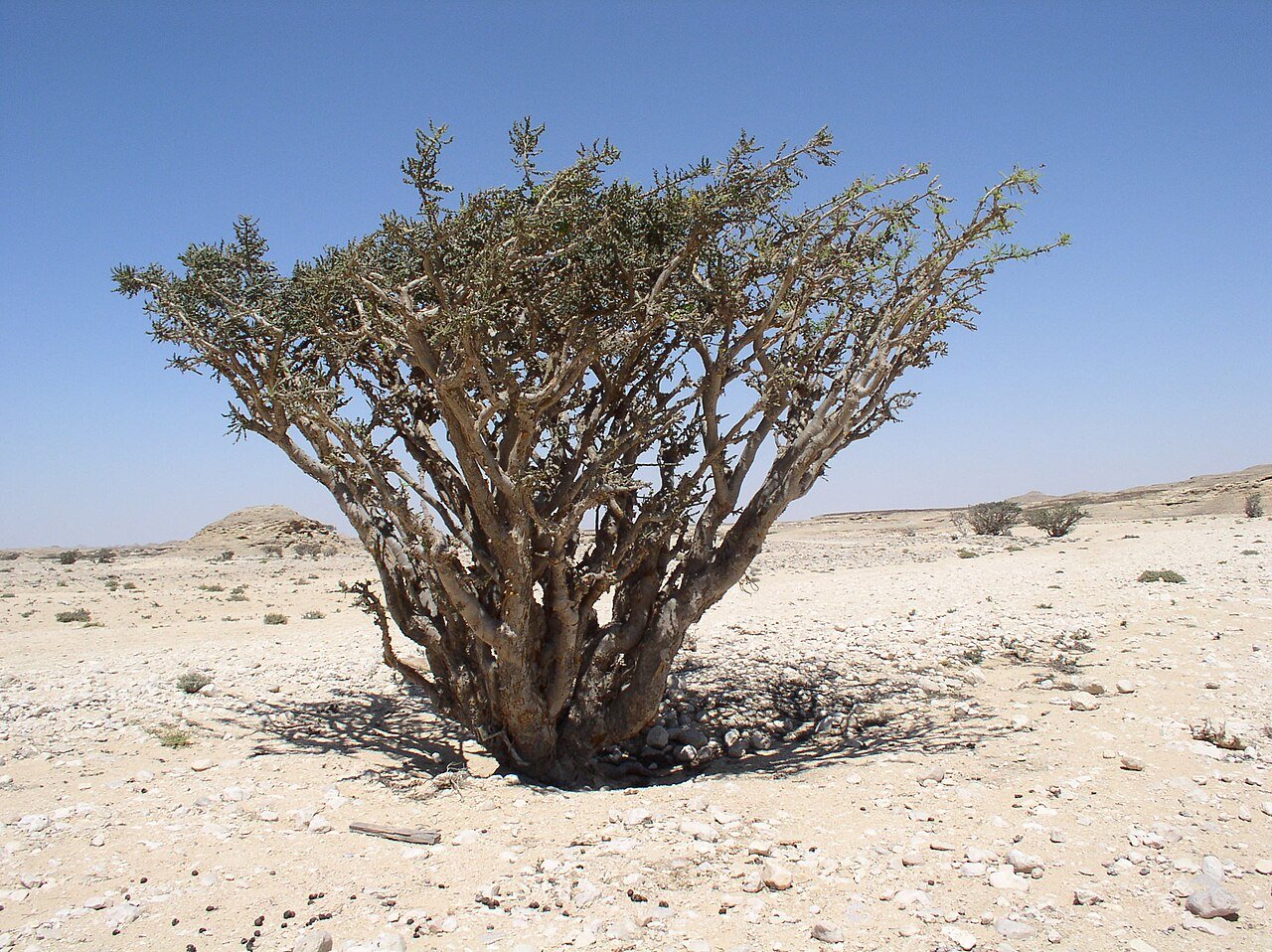
In the Bronze Age, Oman was known to the Sumerians as Magan, a source of copper shipped across the Gulf. The beehive tombs of Bat, Al-Khutm and Al-Ayn, about five thousand years old, stand on ridges in the interior, a World Heritage Site. In Dhofar, frankincense from Boswellia trees was traded through ports such as Sumhuram and Al Baleed to Egypt, Rome and beyond.
Oman embraced Islam in the 7th century, early and peacefully. Its sailors were famed across the Indian Ocean, and Sohar is often linked to the legend of Sinbad. The Nabhani and Yarubi dynasties built great forts and castles such as Bahla, Nizwa and Jabrin, and the falaj irrigation systems turned mountain valleys into oases.
The Al Said dynasty has ruled since the mid-18th century, and at its height the sultanate stretched to Zanzibar and the Swahili coast. Modern Oman's renaissance began in 1970, bringing roads, schools and hospitals while carefully preserving heritage. Today Oman Vision 2040 focuses on tourism, logistics and green energy. Read about the royal family of Oman, the incense route and Oman Vision 2040.
Languages and five useful
Arabic is official, and Omanis also speak Swahili, Baluchi and the ancient South Arabian languages of Dhofar, such as Jibbali and Mehri. English is widely spoken.
| English | Local phrase | Say it like |
|---|---|---|
| Hello | As-salamu alaykum | ah-sah-LAH-moo ah-LAY-koom |
| Welcome | Ahlan wa sahlan | AH-lan wah SAH-lan |
| Thank you | Shukran | SHOOK-ran |
| How are you? | Kaif halak? | kayf HAH-lak |
| What news? (friendly greeting) | Ish al-akhbar? | eesh al-akh-BAR |
Oman's skyline is its forts: more than five hundred castles, towers and watchtowers guard the mountains and coast. The Sultan Qaboos Grand Mosque in Muscat, with one of the world's largest hand-woven carpets and a vast chandelier, is a masterpiece of modern Islamic architecture. The Royal Opera House Muscat stages opera, ballet and concerts from around the world.
The khanjar, the curved silver dagger worn at the waist on formal occasions and featured on the national emblem, is a proud symbol of Omani craftsmanship and identity. Nizwa's silversmiths and potters, Bahla's clay workshops and the dhow builders of Sur keep ancient skills alive. Perfume is an art too: Omani frankincense and the house of Amouage are known worldwide. See perfume and oud.
Shuwa, lamb marinated in spices, wrapped in banana or palm leaves and slow-cooked in an underground oven for up to two days, is the dish of Eid. Majboos and mashuai, grilled kingfish with lemon rice, are everyday favorites, and harees appears at Ramadan and weddings.
Omani halwa, a glistening sweet of sugar, ghee, rosewater, saffron and nuts, is served to guests with kahwa, cardamom coffee, and dates. It is the essence of Omani welcome. See Arabic coffee and dates.
Galleries on maritime history, the land and people, and the Aflaj, near the Al Alam Palace.
Official site ↗A striking new museum telling the story of Oman from prehistory to today.
Bahla is a World Heritage Site; Nizwa's great round tower overlooks a lively Friday livestock market.
Frankincense trees at Wadi Dawkah and the ancient ports of Sumhuram and Al Baleed, with a fine museum at Al Baleed.
A family museum of khanjars, jewelry, costume and photographs of old Oman.
Official site ↗Omanis wear the white dishdasha and embroidered kumma cap, and women's dress is rich with color and silver. Bull butting in Batinah, camel racing, Al Razha sword dance and the khareef monsoon festival in Salalah are living heritage. See Bedouin heritage and desert culture.
Oman's first official envoy to the United States arrived in New York in 1840 aboard the ship Sultanah. The Musandam fjords are often called the Norway of Arabia. In summer, Salalah turns green under the khareef monsoon. Plan your trip with our Oman luxury travel guide, explore Muscat and visit Salalah for frankincense.
Ultra-Luxury Real Estate · Own Here
The places you discover as a guest are the places to own. Freehold for foreign buyers in Integrated Tourism Complexes and approved zones.
Ultra-Luxury Tourism & Ultra-Luxury Real Estate
Checked October 2026. Prices and dates are approximate and can change. See our standard.