The buses
Sixteen electric vehicles, supplied and operated for visitors to the Petra region.
Home›The Leader›Electric Buses for Petra
The Leader · Petra
The authority that cares for Petra has invited bids to supply and operate 16 electric buses for visitors, a project its chairman calls the first of its kind in Jordan, and it is preparing a scheduled network to link the sites of the kingdom's Golden Triangle.
At a glance
Anyone who has planned a Petra tour knows that the approach matters almost as much as the arrival. On Monday, the Petra Development and Tourism Region Authority announced that it is seeking bids to supply and operate 16 electric buses for visitors. Adnan Sawair, Chairman of the authority's Board of Commissioners, described it as the first project of its kind in Jordan, and said that the authority aims to award the contract and begin the project before the end of 2026.
The purpose is twofold: to lessen the environmental footprint of tourism at one of the world's most celebrated archaeological sites, and to make the visitor's day smoother and more comfortable.
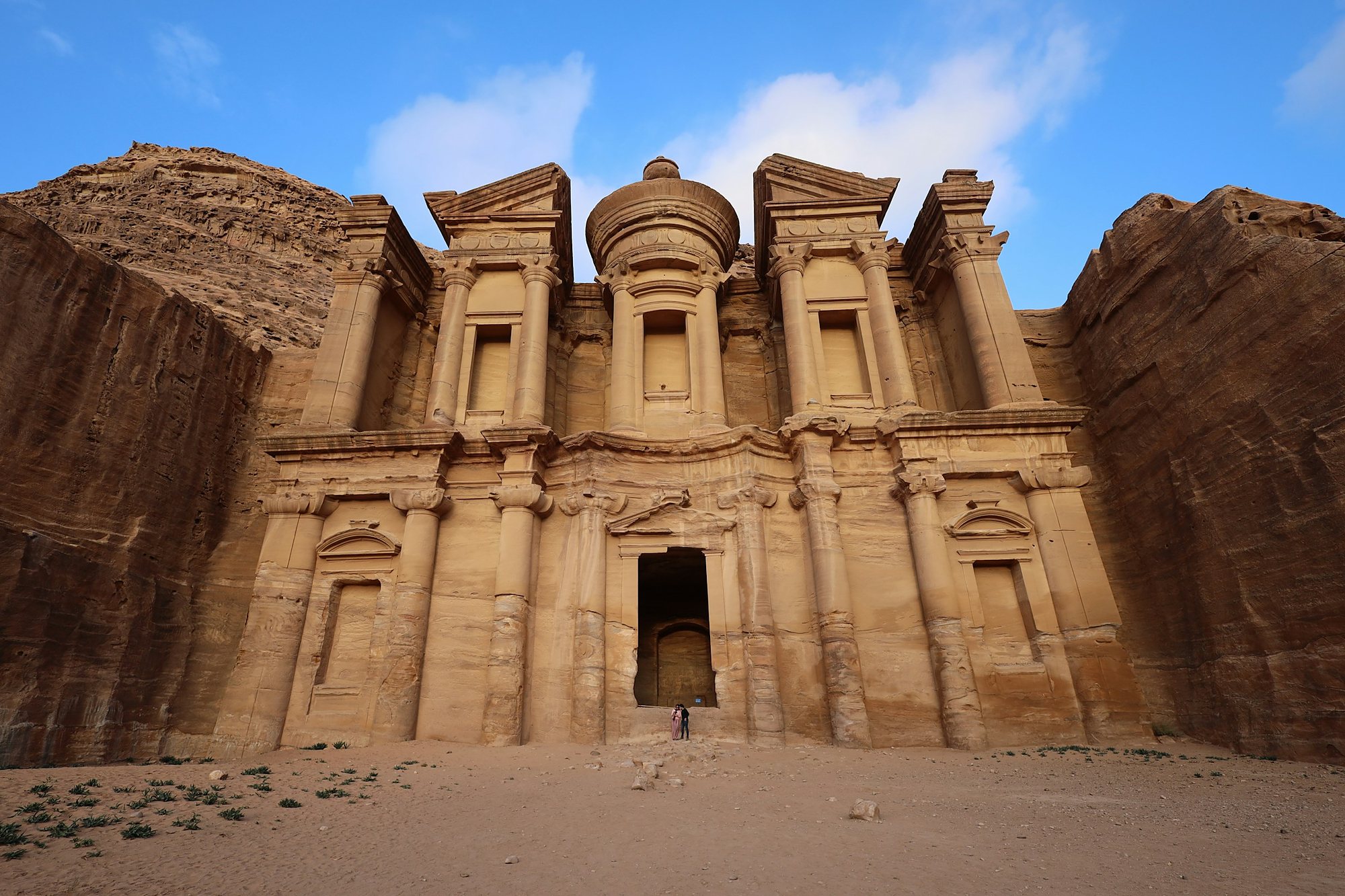
Petra is a place where such care is well spent. The ancient Nabataean city, carved into rose-colored sandstone more than two thousand years ago, receives visitors from every continent, and its setting, a narrow gorge opening onto tombs, temples and a great colonnaded street, is as fragile as it is magnificent. Quiet electric vehicles suit it far better than the engines of the past, and the authority's choice signals a lasting commitment to the site's protection.
Sixteen electric vehicles, supplied and operated for visitors to the Petra region.
The authority aims to award the contract and start before the end of 2026.
A scheduled bus service is planned to link tourist and archaeological sites across the Golden Triangle.
A separate tender will cover the studies and designs that define the routes and how the network will run.
The Golden Triangle is the name commonly given to the great southern circuit of Jordan: Petra, the desert of Wadi Rum and the Red Sea at Aqaba, two of them inscribed on the UNESCO World Heritage List. Most visitors travel it by private car with a driver, and that remains the most flexible way to see it. A scheduled network of quiet, clean buses would add a welcome alternative, especially for independent travelers, and would make it simpler to linger, a night under the stars in Wadi Rum here, a morning of diving at Aqaba there, without arranging every transfer in advance.
The route plans are still being studied, so travelers should not yet count on the service for a particular trip; the authority will announce timetables when they are ready. In the meantime, the best months to visit remain the cooler ones, from October to April, when walking through the Siq to the Treasury and climbing to the Monastery are a pleasure rather than a test of endurance.
Our guide to Petra, with its finest hotels, suggests how to divide two days between the main trail and the quieter high places, and our page on Wadi Rum's luxury camps and our guide to Aqaba's Red Sea resorts complete the triangle. For the wider journey, our Jordan luxury travel guide brings together Amman, the Dead Sea and the south in a single itinerary.
The authority is seeking bids for 16 electric visitor buses.
The authority aims to award the contract and start the project before the end of 2026; timetables have not yet been announced.
The southern Jordan circuit of Petra, Wadi Rum and Aqaba.
Checked on 11/23/2026. Prices and dates are approximate and can change. See our standard.