Conservation success
Arabian oryx
Reintroduced herds now live in protected reserves across Arabia. The easiest places to see them are the Dubai Desert Conservation Reserve, Sir Bani Yas Island and Jordan's Shaumari reserve, ideally at sunrise.

Home›Experience›Wildlife and Nature
Experience
Wildlife in the Middle East is one of the region's best-kept secrets, from the Arabian oryx brought back from the brink to turtles nesting on Omani beaches. These nature reserves, reefs and dark-sky deserts reward travelers who slow down and look.
Updated
At a glance
The story of nature in the Middle East is a story of return. The Arabian oryx, the white antelope with long straight horns that may have inspired the unicorn legend, vanished from the wild in the early 1970s. Breeding programs in the Gulf, Jordan and beyond brought it back, and in 2011 it became the first animal to move from extinct in the wild to vulnerable on the global Red List. Today you can watch herds graze at dawn in reserves from Dubai to Saudi Arabia.
That spirit has spread. Saudi Arabia has created vast royal reserves and is restoring the Arabian leopard in AlUla. Abu Dhabi protects mangroves and wetlands where flamingos breed. Oman guards beaches where green turtles have nested for thousands of years. And the Red Sea's reefs, among the most resilient on earth, are now at the center of new marine protection.
Nature here also means the night sky. Far from city lights, the deserts of AlUla and Wadi Rum offer some of the clearest stargazing on the planet. Pair it with a stay in one of the region's luxury desert camps and lodges.
Reintroduced herds now live in protected reserves across Arabia. The easiest places to see them are the Dubai Desert Conservation Reserve, Sir Bani Yas Island and Jordan's Shaumari reserve, ideally at sunrise.
One of the most important nesting beaches for green turtles in the Indian Ocean region. Guided night and dawn visits let small groups watch females come ashore and hatchlings race for the sea. Nesting peaks in the summer months.
A protected wetland at the head of Dubai Creek, with the Downtown skyline behind it, where greater flamingos gather in winter. Bird hides give close views; check current opening before you go.
A wetland reserve on the edge of the city where greater flamingos have bred, along with more than two hundred bird species recorded. It opens to visitors in the cooler months.
Abu Dhabi holds most of the UAE's mangrove forest. Kayak the Eastern Mangroves at sunrise, or walk the boardwalks of Jubail Mangrove Park to spot crabs, herons and small fish in the roots.
The world's largest fish gathers seasonally in Gulf and Red Sea waters, notably off Qatar in the summer months. Licensed boat tours from Doha and dive operators in Oman and the Red Sea offer respectful encounters.
More than half the island is a wildlife reserve where giraffes, cheetahs, gazelles and Arabian oryx roam free. Guided 4x4 safaris run daily from the island's Anantara resorts.
Official site ↗A protected stretch of red dunes inland from the city, home to Arabian oryx, sand gazelles and desert foxes. Licensed operators offer low-impact desert drives, falconry and camel treks here.
Saudi Arabia has set aside a network of royal reserves, among them the King Salman Royal Natural Reserve in the north, one of the largest protected areas in the region. Gazelles, oryx and ostrich are being restored across their former ranges, and eco-tourism programs are expanding.
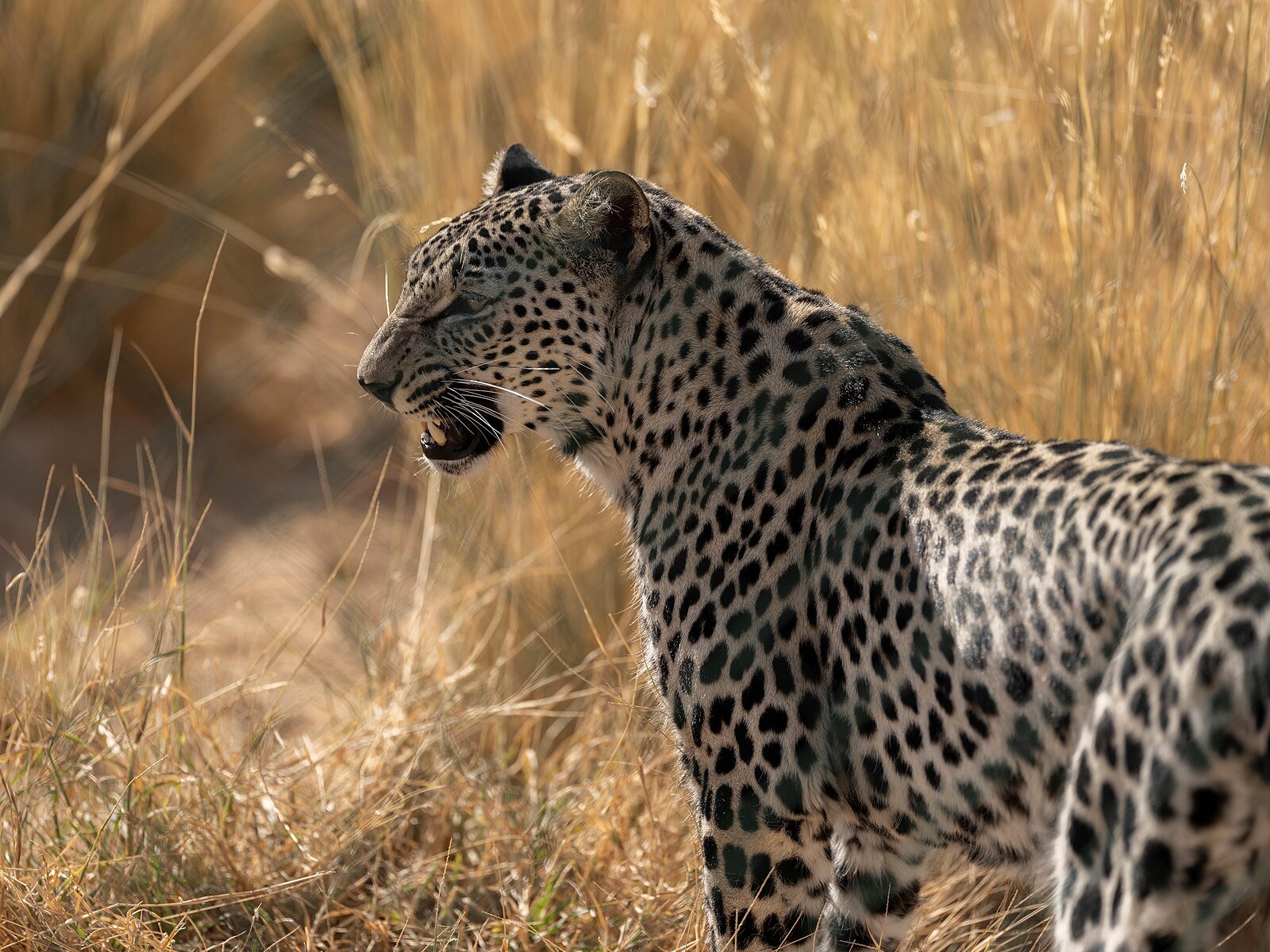
The Sharaan Nature Reserve's sandstone canyons are at the heart of efforts to restore the critically endangered Arabian leopard. Visitors explore the reserve's trails and learn about the program through AlUla's guided experiences.
Gharameel and Manara nature reserves are certified dark-sky parks, where the Milky Way rises over rock formations. Guided stargazing nights with telescopes are among AlUla's most memorable evenings.
A UNESCO-listed desert of red sand and towering sandstone, almost free of light. Spend a night in a bubble tent or Bedouin camp and watch the sky turn thick with stars.
Jordan's largest nature reserve descends from highland villages to desert sandstone, crossing several climate zones. Hike down to Feynan Ecolodge, lit by candles and run on solar power.
The lowest nature reserve on earth, where a river cuts a narrow gorge down to the Dead Sea. The wet Siq Trail, wading and climbing between sandstone walls, opens in the warmer months. See our Dead Sea guide.
Egypt's first national park, declared in 1983, protects reefs and walls of coral at the tip of the Sinai. Snorkel from the beaches or dive the famous reefs on a day boat from Sharm El Sheikh.
Nine protected islands with coral gardens, turtles and reef sharks, an hour or less by boat from Muscat. Visits are by day only, keeping the islands pristine.
Home to colonies of Socotra cormorants and a rich roster of migrating birds, with the best months from November to March. The new Hawar Resort by Mantis makes it easy to stay.
Traditional dhows glide through the fjord-like inlets of the Musandam Peninsula, where pods of dolphins often swim alongside. Our Musandam guide has the details.
| Experience | Where | Best months |
|---|---|---|
| Flamingos | Dubai, Abu Dhabi | November to March |
| Turtle nesting | Ras al Jinz, Oman | Peak in summer; year-round sightings |
| Whale sharks | Qatar, Oman, Red Sea | Mainly late spring to early fall |
| Oryx and desert wildlife | UAE, Saudi Arabia, Jordan | October to April |
| Stargazing | AlUla, Wadi Rum | October to April, around the new moon |
| Canyoning | Wadi Mujib, Jordan | Warmer months |
| Reef snorkeling | Red Sea, Daymaniyat | Year-round; best October to May |
Book licensed guides, keep your distance from nesting turtles and breeding birds, and never feed wild animals. For underwater adventures, see our guide to diving and the outdoors in the Red Sea and Oman. To understand how desert peoples have lived alongside these landscapes, read about Bedouin heritage.
The Dubai Desert Conservation Reserve and Sir Bani Yas Island in Abu Dhabi are the easiest for visitors, with guided drives most mornings. In Jordan, the Shaumari reserve near Azraq also protects a herd.
Green turtles nest at Ras al Jinz all year, with the busiest season in the summer months and hatchlings following roughly two months after nesting. Book a guided visit in advance.
Yes. AlUla's Gharameel and Manara reserves are certified dark-sky parks, and guided evenings with telescopes are a highlight of a winter visit. See our AlUla guide.
Most can. Sir Bani Yas safaris, mangrove kayaking and flamingo watching suit all ages; the Wadi Mujib Siq Trail is better for older children who swim well.
Ultra-Luxury Real Estate · Own Here
Across the Middle East, the finest resorts and the finest homes now sit side by side, and many international buyers own before they ever visit.
Ultra-Luxury Tourism & Ultra-Luxury Real Estate
Checked October 2026. Prices and dates are approximate and can change. See our standard.