Land of Frankincense
Frankincense trees at Wadi Dawkah and the ruined ports of Sumhuram and Al Baleed form a UNESCO site near Salalah. See Salalah.

Home›Culture›Timeline›Trade Routes
Culture
The incense route carried frankincense and myrrh from southern Arabia to Rome, and the Silk Road linked China with the Mediterranean through the heart of the Middle East. These ancient trade routes built cities like Petra and Hegra, and today they make some of the most memorable journeys for travelers.
At a glance
Long before oil, the wealth of Arabia was perfume. Frankincense and myrrh, resins tapped from trees in Dhofar and Yemen, were burned in temples from Egypt to Rome, and the overland incense route carried them by camel caravan up the west of the Arabian Peninsula to Gaza and Damascus. Along the way grew oasis towns and kingdoms, the Nabataeans of Petra and Hegra the most famous.
Further north, the Silk Road connected Chang'an in China to Antioch and Constantinople through Persia and Mesopotamia, carrying silk, porcelain, spices, ideas and faiths. By sea, dhows sailed the monsoon winds between the Gulf, India and East Africa, and ports like Sohar, Muscat, Hormuz and Julfar grew rich on the trade.
Frankincense trees at Wadi Dawkah and the ruined ports of Sumhuram and Al Baleed form a UNESCO site near Salalah. See Salalah.
Saudi Arabia's first UNESCO site, with more than 100 monumental Nabataean tombs. See AlUla.
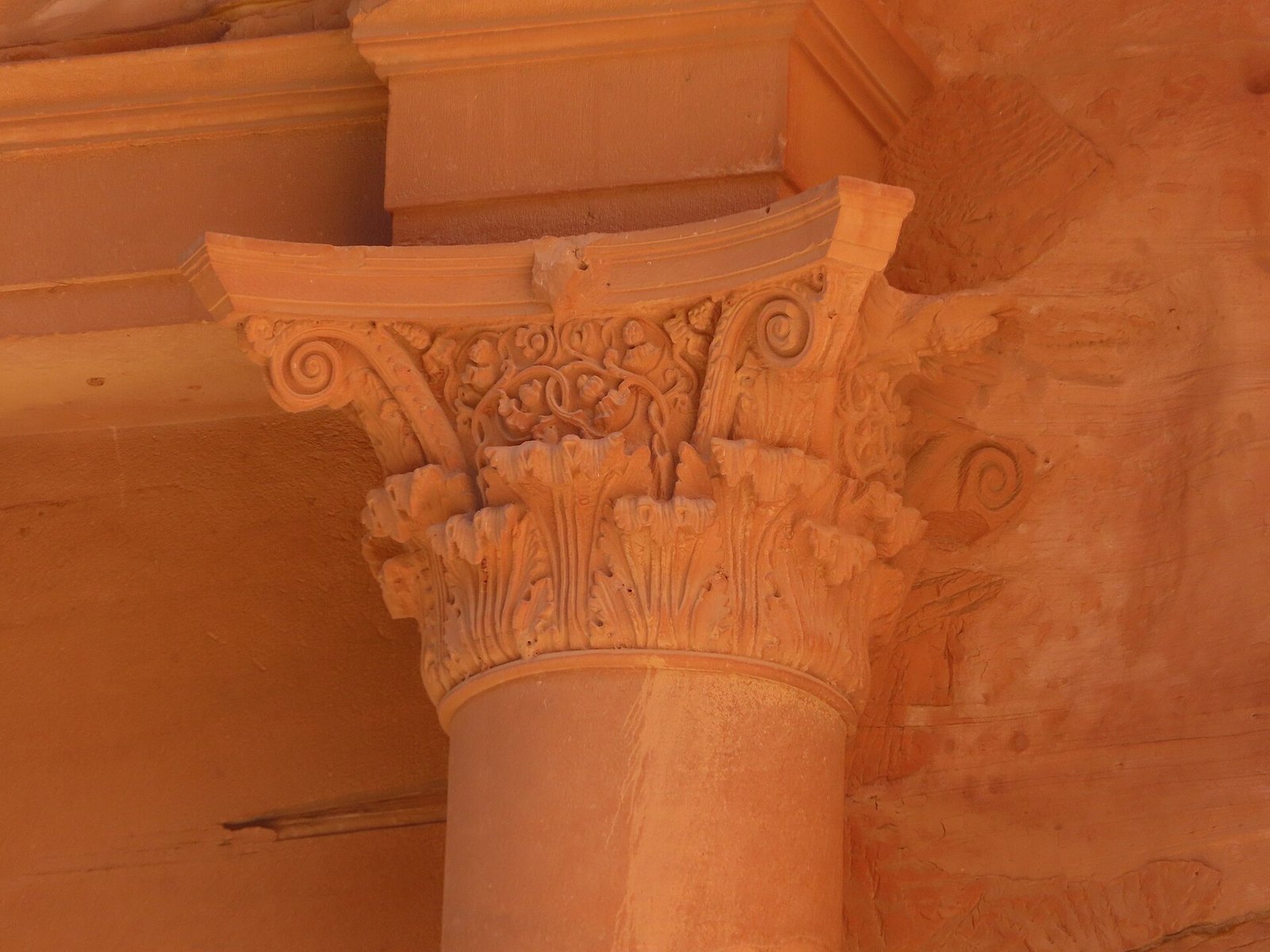
The rose-red Nabataean capital that controlled the caravan trade. See Petra.
Caravans crossed this desert, and Nabataean inscriptions still mark the rocks. See Wadi Rum.
Roadside inns built every day's march apart; the Persian caravanserai is a UNESCO site, and Sultanhanı, near Aksaray in central Anatolia, is one of the grandest Seljuk examples.
The western end of the Silk Road, still trading after centuries.
Dhows still load cargo beside the spice and gold souks of Deira.
A modern journey along the incense route might begin with frankincense shopping in Salalah, fly to AlUla for Hegra and desert resorts, then cross to Petra and Wadi Rum. For a Silk Road flavor, combine Istanbul, Cappadocia and the souks of the Gulf. Perfume lovers should read our page on perfume and oud, and see our trip ideas for ready-made routes. The history timeline puts each era in context.
Trade carried more than goods. Arabic numerals, paper, astronomy, music and recipes moved along the same roads, and so did the great faiths. Coffee, first drunk in Yemen, reached Makkah, Cairo and Istanbul and then Europe; see coffee and dates. The Gulf's pearl merchants, covered on our pearling page, belonged to the same maritime world of dhows and monsoon winds. Today the story continues with some of the busiest ports and airports on earth.
An aromatic resin tapped from Boswellia trees. Oman's silver-white grade is considered among the finest and makes a lovely souvenir.
Visits are by organized tour from the AlUla visitor center, which can be booked online; luxury resorts arrange private guides.
Iran and Türkiye have the best-preserved examples, and several in Türkiye are open as museums or restored as boutique hotels.
No. It was a network of land and sea routes that changed over centuries.
Ultra-Luxury Real Estate · Own Here
Across the Middle East, the finest resorts and the finest homes now sit side by side, and many international buyers own before they ever visit.
Ultra-Luxury Tourism & Ultra-Luxury Real Estate
Checked October 2026. Prices and dates are approximate and can change. See our standard.