The Israel Museum
The country's largest museum, home to the Shrine of the Book with the Dead Sea Scrolls and a vast model of Second Temple Jerusalem.
Official site ↗
Home›Culture›Timeline›Israel: History and Culture
Israel
Israel history reaches back to some of the oldest towns on earth, and the land holds sites sacred to Judaism, Christianity and Islam. Israeli culture today is a lively mix of Hebrew and Arabic, ancient ritual and startup energy, and it is best tasted at the table during an Israel trip.
At a glance
Eras of Israel history
Nearby Jericho and the caves of Mount Carmel tell of human life here from prehistory. In the Bronze and Iron Ages, Canaanite city-states gave way to the kingdoms of Israel and Judah, and Jerusalem became the spiritual center of the Jewish people, with the First and Second Temples. Biblical tels such as Megiddo, Hazor and Beer Sheba are World Heritage Sites.
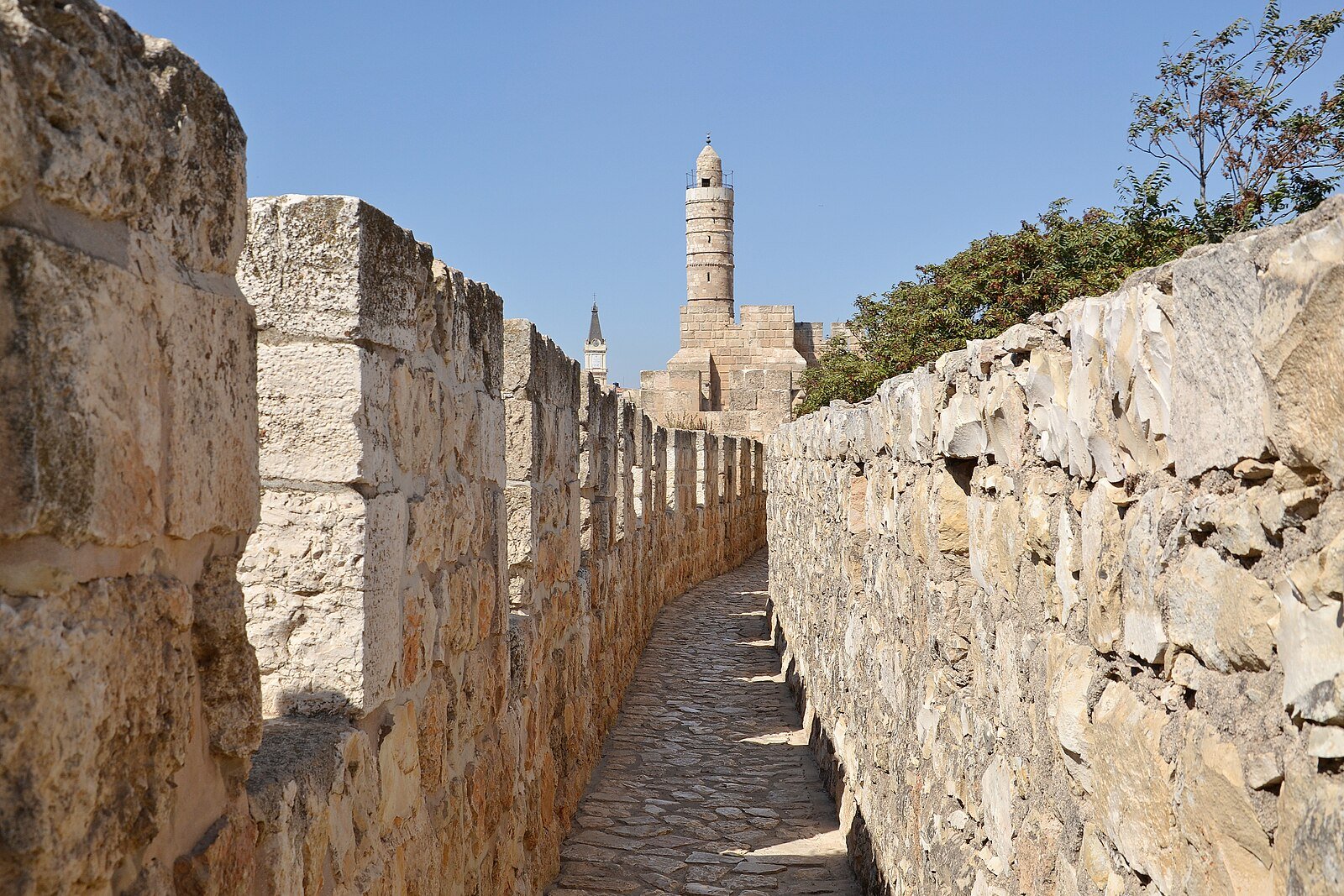
Persian, Hellenistic and Roman eras followed. Herod the Great built Caesarea's harbor, the palaces of Masada and an expanded Temple Mount. In the Byzantine centuries, churches rose at holy sites across Galilee and Jerusalem, and from the 7th century the Dome of the Rock and Al-Aqsa Mosque crowned the city. Later centuries brought the Crusader-era halls of Akko, Mamluk architecture and four centuries of Ottoman rule, when Suleiman the Magnificent built Jerusalem's present Old City walls.
The modern State of Israel was established in 1948, and Hebrew, revived as a spoken language, became its national tongue. Today Israel is known for science, medicine, agriculture and technology. Explore the shared story of the region's faiths on our Abrahamic heritage page and see Jerusalem, holy city of three faiths.
Languages and five useful
Hebrew is the main language; Arabic is widely spoken and has special status; English is common in cities and hotels; and Russian, French and Amharic are heard too.
| English | Local phrase | Say it like |
|---|---|---|
| Hello / peace | Shalom | sha-LOHM |
| Thank you | Toda | toh-DAH |
| Please | Bevakasha | beh-vah-kah-SHAH |
| Cheers! (to life) | L'chaim | leh-HI-im |
| Have a peaceful Sabbath | Shabbat shalom | sha-BAHT sha-LOHM |
Tel Aviv's White City holds more than four thousand Bauhaus and International Style buildings, a UNESCO site and an architecture lover's dream. Jerusalem's golden limestone, required by law on new buildings, gives the city its glow at sunset. Galleries in Tel Aviv and Jaffa, the artists' village of Ein Hod, and the old artists' quarter of Safed show a vibrant contemporary scene.
Music ranges from the world-class Israel Philharmonic to Mizrahi pop, klezmer and Arabic oud. Israeli film and television series are now watched worldwide, and Hebrew literature has earned a Nobel Prize.
Israeli food gathers recipes from more than seventy diaspora communities and the Levantine kitchen. Breakfast is a feast of salads, cheeses, eggs and fresh bread; shakshuka bubbles in cast-iron pans; and sabich, an Iraqi-Jewish pita of fried eggplant and egg, is the street favorite. Hummus, falafel and tahini are shared Levantine classics.
Friday challah, Yemenite jachnun on Saturday mornings and Jerusalem's Machane Yehuda market by night are rituals in themselves. Wineries in the Galilee and the Judean Hills have won international recognition, and Tel Aviv's chef-driven restaurants are among the region's most exciting.
The country's largest museum, home to the Shrine of the Book with the Dead Sea Scrolls and a vast model of Second Temple Jerusalem.
Official site ↗The World Holocaust Remembrance Center, a place of memory and learning on the Mount of Remembrance.
Official site ↗An immersive museum telling the story of Jewish communities across the world.
Official site ↗Herod's mountaintop palace-fortress, reached by cable car or the Snake Path at dawn, with views over the Dead Sea.
A Roman harbor city with a theater, hippodrome and seaside aqueduct, beautiful at sunset.
Shabbat slows the country from Friday evening, when families gather for dinner, to Saturday night. Holidays such as Passover, Hanukkah and Sukkot fill the calendar, while Muslim, Christian, Druze and Bahá'í communities keep their own traditions; the Bahá'í Gardens in Haifa are a World Heritage Site. See our pages on Jewish heritage sites and Christian holy sites.
The Dead Sea shore is the lowest point on land on earth. Hebrew is the only example of an ancient language revived for everyday life by millions. Israel has one of the highest numbers of museums per person in the world. Plan your trip with our Israel travel guide and our pages on Tel Aviv and Jerusalem.
Ultra-Luxury Real Estate · Own Here
The places you discover as a guest are the places to own. Generally open to foreign buyers; much land is held on long leases from the Israel Land Authority.
Ultra-Luxury Tourism & Ultra-Luxury Real Estate
Checked October 2026. Prices and dates are approximate and can change. See our standard.