Seventeen countries  ·  400+ guides  ·  Every fact checked, every page dated Founding PartnersAdvertisePartner with usTheMediterranean.com ↗[email protected]EN  |  العربية
TheMiddleEast.com The Digital Identity of the Middle East الشرق الأوسط
Concierge
Golestan Palace and its reflecting pool, Tehran

Home›Culture›Royal Families›Former Monarchies

Royal Families

The Former Monarchies of the Middle East

The former monarchies of the Middle East left behind some of the region's most beautiful palaces, gardens and collections. These short notes on the royal houses of Egypt, Iraq, Iran, Tunisia and the Ottoman Empire add depth to any journey through Middle East history.

At a glance

Former Monarchies at a glance

Longest-lived
Ottoman dynasty, about 1299 to 1922
Best palace visit
Topkapı and Dolmabahçe, Istanbul
Today's monarchies
Eight, listed on our Royal Families page

Royal houses that shaped

Royal houses that shaped the modern region

Over the past two centuries, several of the region's countries moved from monarchy to republic. Their dynasties built railways, canals, universities and opera houses, and many of their palaces now welcome visitors as museums. For the families who reign today, see our guide to the royal families of the Middle East.

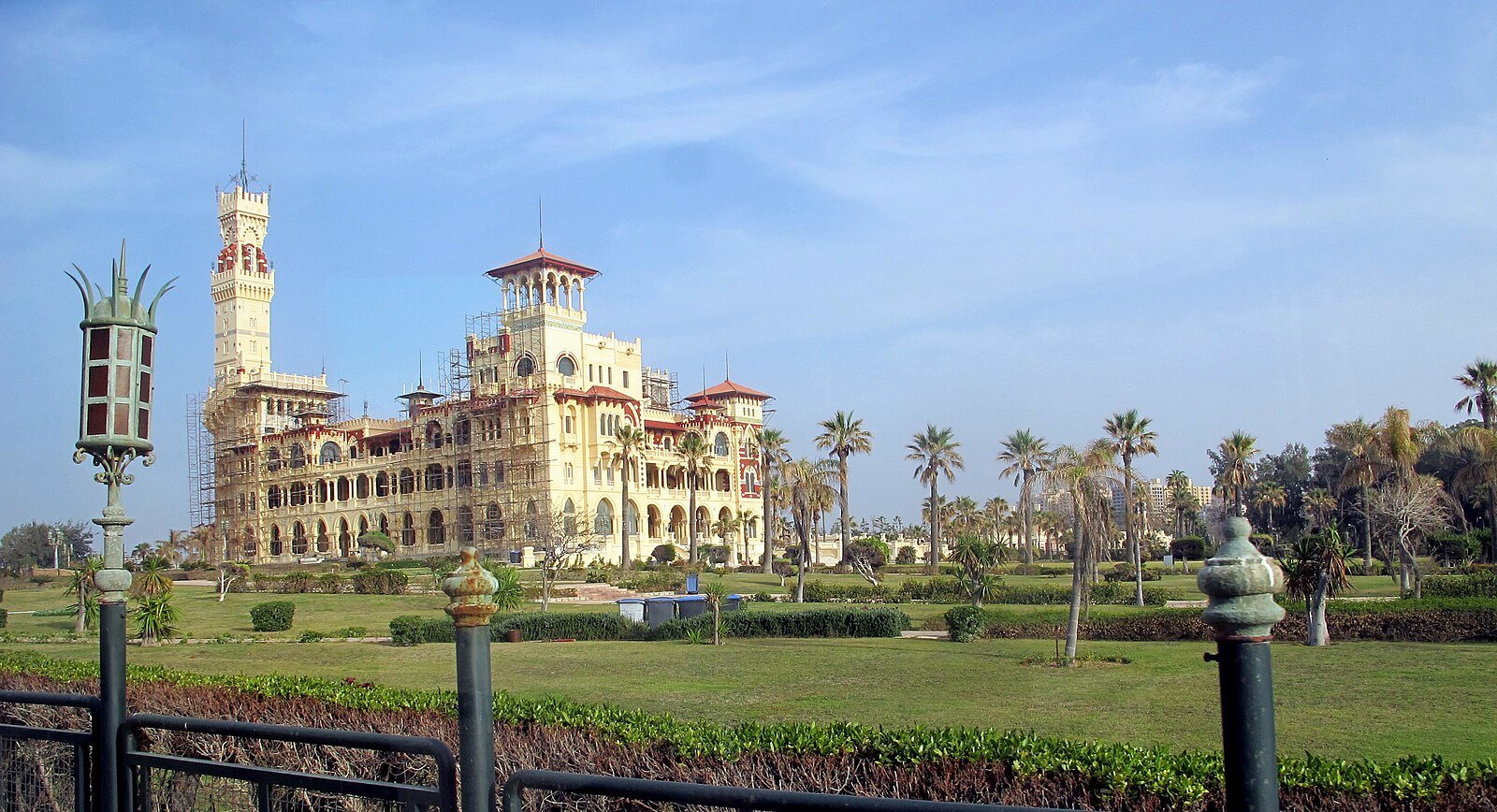
Montaza Palace, the 1932 summer palace of King Fuad I, with its Florentine tower above landscaped gardens in Alexandria.
Photo: Murat Özsoy 1958 · CC BY-SA 4.0 · Wikimedia Commons

Five former monarchies

The Ottoman dynasty

Türkiye and beyond, about 1299 to 1922

For more than six centuries the House of Osman ruled an empire stretching from the Balkans to the Arabian Peninsula and North Africa. The sultanate ended in 1922 and the Republic of Türkiye was proclaimed on October 29, 1923. Topkapı Palace and Dolmabahçe Palace on the Bosphorus are highlights of any Istanbul stay.

The Muhammad Ali dynasty

Egypt, 1805 to 1953

Muhammad Ali and his heirs modernized Egypt, and under Khedive Ismail the Suez Canal opened in 1869 with a celebration that inspired the opera Aida. Egypt became a republic on June 18, 1953. The Manial Palace in Cairo and the Montaza gardens in Alexandria recall the era; see our Egypt history and culture page.

The Husainid beys

Tunisia, 1705 to 1957

The Husainid beys reigned in Tunis for two and a half centuries and in 1861 issued one of the first written constitutions in the Arab world. Tunisia became a republic in 1957. Their palaces at Le Bardo now house the celebrated Bardo National Museum and its Roman mosaics; more on Tunisia's history and culture.

The Hashemite kingdom of Iraq

Iraq, 1921 to 1958

A branch of the Hashemite family, cousins of Jordan's royal house, reigned in Baghdad from 1921, beginning with King Faisal I. The monarchy ended in 1958. Read more about the family's wider story on our Hashemite family page and in Iraq history and culture.

The Pahlavi dynasty

Iran, 1925 to 1979

The Pahlavi shahs ruled Iran from 1925 until the monarchy ended in 1979. In 1971 they hosted a celebration at Persepolis marking 2,500 years of Persian monarchy. Tehran's Golestan Palace, from the earlier Qajar era and a UNESCO site, and the Niavaran and Saadabad palace complexes are now museums; see Iran heritage and culture.

Seeing royal history today

The easiest way to experience this heritage in luxury is in Istanbul, where Dolmabahçe Palace, Topkapı and the Çırağan Palace, now a hotel, line the Bosphorus. In Cairo, the Grand Egyptian Museum and the Manial Palace make a natural pairing. Our timeline of Middle East history places each dynasty in context, and our museums guide lists the collections worth the journey.

Ultra-Luxury Real Estate · Own Here

From a stay to a home of your own

Across the Middle East, the finest resorts and the finest homes now sit side by side, and many international buyers own before they ever visit.

Ultra-Luxury Tourism & Ultra-Luxury Real Estate

Checked October 2026. Prices and dates are approximate and can change. See our standard.