Balanced regions
Closing the gap between the coast and the interior with roads, services and investment.

Home›Tomorrow›The Visions›Tunisia 2035
Tomorrow · Tunisia
Tunisia's long-term direction is set out in a national vision known as Tunisia 2035 and carried forward by the 2026–2030 Development Plan. Both point to a greener, more digital and more balanced economy, good news for a country already loved for Carthage, Sidi Bou Said and its Mediterranean coast.
Updated
At a glance
Tunisia's planning works on two levels. The long-range vision, published in 2022 as Tunisia 2035, aims for a high-income, knowledge-based economy built on six themes: human capital, a digital and innovative economy, a diversified and competitive economy, a green economy, social justice and balanced regional development. Formal titles vary between sources, so we use the names as published.
The 2026–2030 Development Plan turns that vision into projects. Prepared from the ground up with local and regional councils, it targets average growth of about 4.2 percent a year, a rise in investment to around 20 percent of GDP, and a public project portfolio of about 102 billion dinars (approximately $34 billion). As of mid-2026 the plan had been sent to parliament for approval. See the national visions of the Middle East for the region.
Closing the gap between the coast and the interior with roads, services and investment.
Desalination, water management and a rapid expansion of solar and wind power.
Support for technology, components manufacturing and services exports.
Digital government and more efficient institutions.
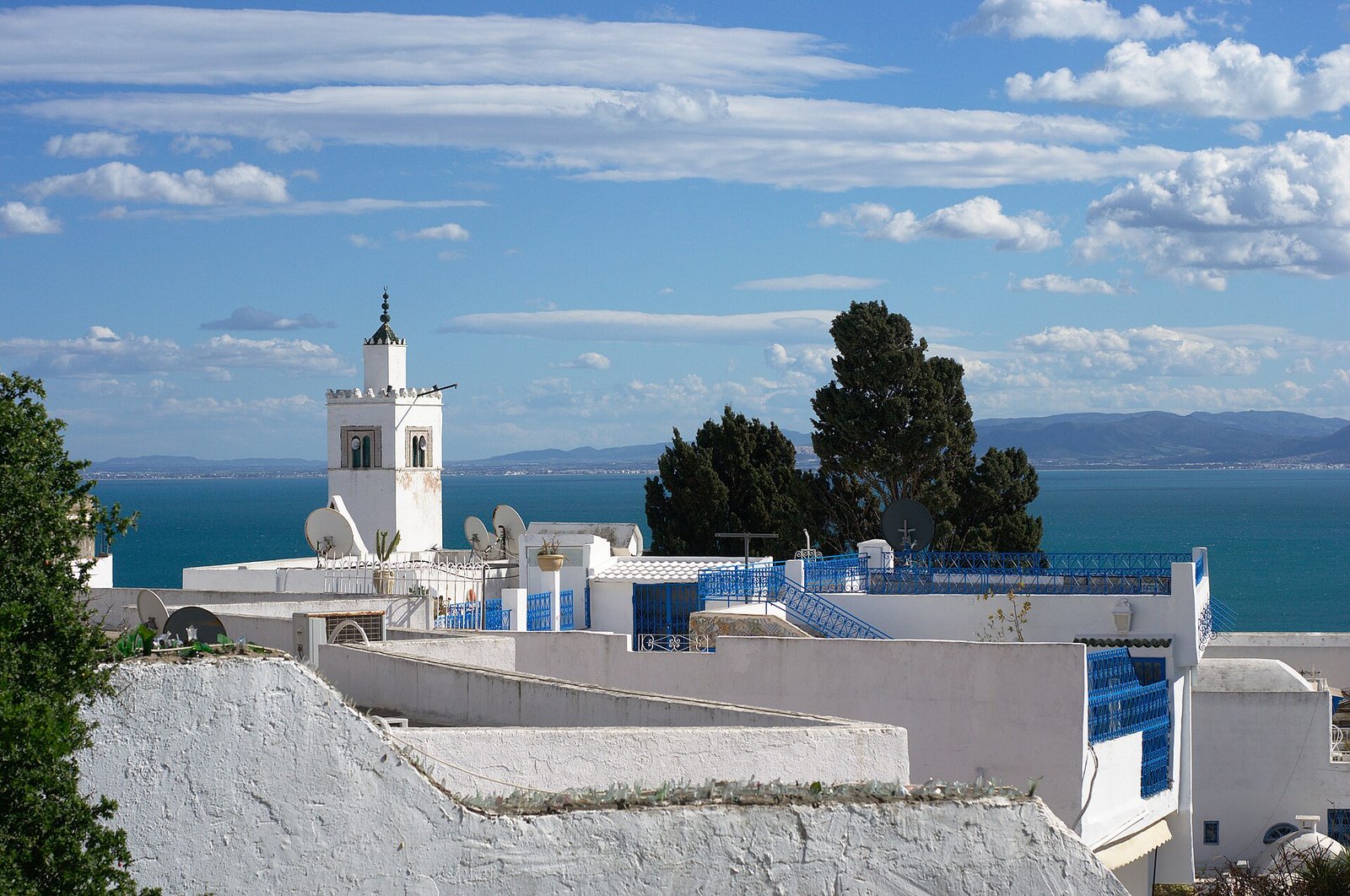
Tunisia offers a rare combination: Roman Carthage and El Jem, the whitewashed lanes of Sidi Bou Said, Saharan oases and the island of Djerba. Investment in transport and tourism quality should make it easier still. Tunis is a short flight from Paris, Rome and other European hubs, and the coast from Hammamet to Monastir is lined with spa resorts and golf courses. The plan's focus on the interior should, over time, open more of the country's mountain villages, Roman ruins and desert oases to visitors, including the film locations around Tozeur. See also the history and culture of Tunisia. See our Tunisia luxury travel guide, Sidi Bou Said hotels and Djerba resorts.
Tunisia's main opportunities lie in renewable energy, manufacturing for European markets and tourism. The country's proximity to Europe, skilled engineers and long tradition of exporting car parts, aerospace components and textiles make it a natural near-shore manufacturing partner, and large solar projects in the south are open to private developers. Foreign purchase of property generally requires government authorization. Take local legal advice.
Questions visitors and investors
It is a national vision document published in 2022; the binding program is the five-year Development Plan, now 2026–2030.
Average growth of about 4.2 percent a year and investment rising to around 20 percent of GDP.
Usually with government authorization. Take local legal advice.
Ultra-Luxury Real Estate · Own Here
The places you discover as a guest are the places to own. Homes and apartments with the regional governor's authorization; agricultural land is reserved for Tunisians.
Ultra-Luxury Tourism & Ultra-Luxury Real Estate
Thinking of buying? Tell us what you are looking for and we will point you to the right people.
Register interestThis page is general information to help you start your research. It is not financial, legal, tax or immigration advice. Rules, prices and thresholds change; confirm every detail with a licensed adviser and the official authority before you act.
Checked October 2026. Prices and dates are approximate and can change. See our standard.