Cairo
Cairo luxury hotels, the Giza Pyramids and the Grand Egyptian Museum: where to stay, how to fly nonstop from the US, and what to see in Egypt's capital.

Home›The Journal›Cairo, Old and New
The Journal
A Pyramids of Giza tour has always been the dream of a lifetime, and since the Grand Egyptian Museum opened its doors in full, Cairo can offer something new: the last surviving wonder of the ancient world and the complete treasure of Tutankhamun, a short drive apart, in a single long weekend.
At a glance
Egypt deserves weeks, and if you can, give it them: our Egypt luxury travel guide and the Nile journey from Luxor to Aswan await. But the new museum has changed the shape of a short visit. The Grand Egyptian Museum stands on the Giza plateau, about two kilometers from the Pyramids, so the two great sights of Egypt can now be seen without crossing the city, from a hotel within sight of both. EgyptAir flies nonstop from New York, Newark and Washington, and more recently from Chicago and Los Angeles, which makes a long weekend from the East Coast realistic for those who sleep well on planes.
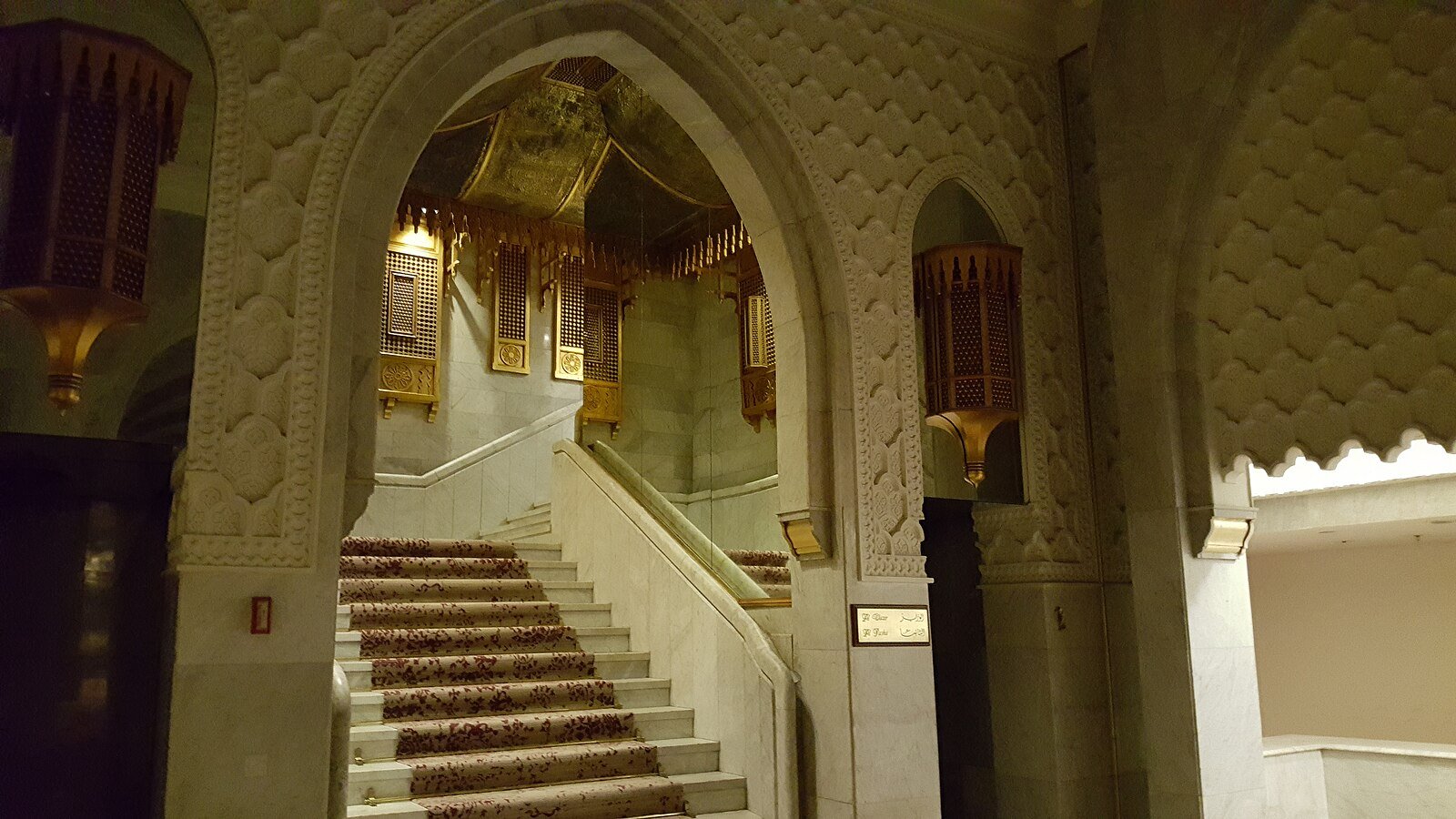
There are two ways to stay in Cairo, and both are good. The first is beside the Pyramids. Marriott Mena House (five stars), a former royal hunting lodge set in gardens at the foot of the plateau, has hosted travelers for well over a century, and breakfast with the Great Pyramid filling the window is something you do not forget. The second is on the Nile. The Four Seasons Hotel Cairo at Nile Plaza (five stars) and The St. Regis Cairo (five stars) offer river views, superb restaurants and a short drive to the old city; the Four Seasons at The First Residence (five stars), on the Giza bank, splits the difference.
We spent two nights at Mena House for the Pyramids and the museum, and one on the Nile for the city. Our Cairo luxury hotels guide lists every five-star with its official site, including the restored Mandarin Oriental Shepheard, which carries the status Opening 2027.
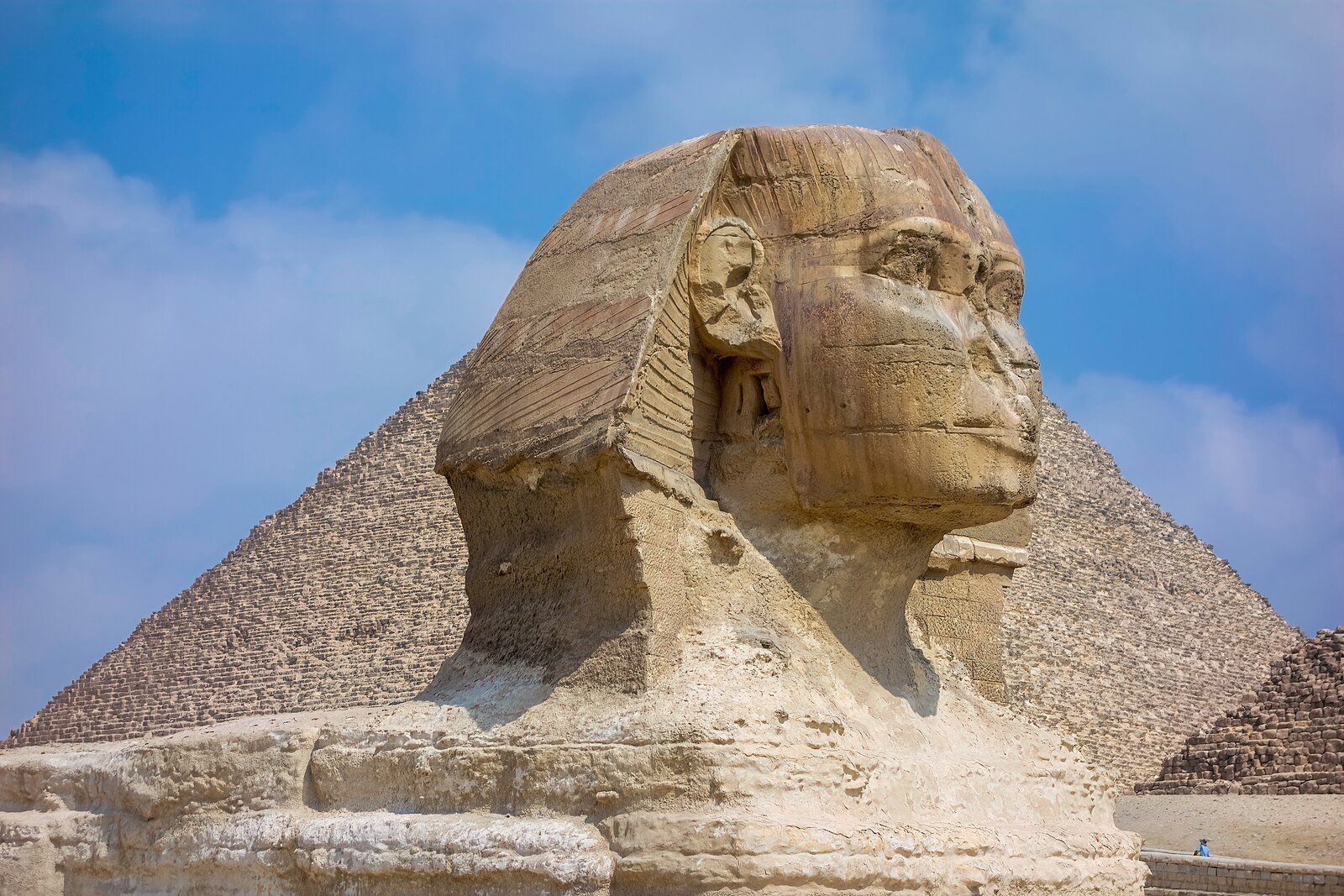
Pyramids at first light
Go early. The plateau opens in the morning, and the first hour is cooler, quieter and kinder to photographs. We hired a private Egyptologist through our hotel, which we would recommend without hesitation; a good guide turns stones into stories, and handles tickets and timing with ease.
The Great Pyramid of Khufu was the tallest structure made by human hands for almost four thousand years, and standing at its base, looking up at blocks taller than a person, is humbling in a way no picture conveys. It is possible to go inside, by separate ticket, through a steep, narrow passage to the King's Chamber; it is not for anyone uneasy in tight spaces. Then the panorama point, where all three Pyramids line up against the desert, and finally the Sphinx, carved from the living rock, gazing east toward the sunrise as it has for some forty-five centuries.
We spent the afternoon resting by the pool and returned at dusk for the view from the hotel garden as the Pyramids turned gold, then rose.
Grand Egyptian Museum
The museum is vast, the largest in the world devoted to a single civilization, and it deserves a full day. The building is a statement in itself: a great triangular facade of translucent stone aligned with the Pyramids, and inside, a monumental staircase lined with statues of kings and gods that climbs toward a window framing the plateau.
The heart of it is Tutankhamun. For the first time since Howard Carter opened the tomb in 1922, the complete treasure is displayed together, thousands of objects from the golden mask and the nested shrines to chariots, jewelry and the young king's sandals. We booked our tickets online in advance with a timed entry, arrived at opening, went straight to the Tutankhamun galleries before they filled, then took the rest of the museum slowly. Allow time, too, for the Khufu boat, the great cedar vessel buried beside the Great Pyramid and now displayed in its own gallery. The museum's restaurants and terraces make it easy to stay all day.
Read more about the museum and its neighbors in our guide to the great museums of the Middle East.
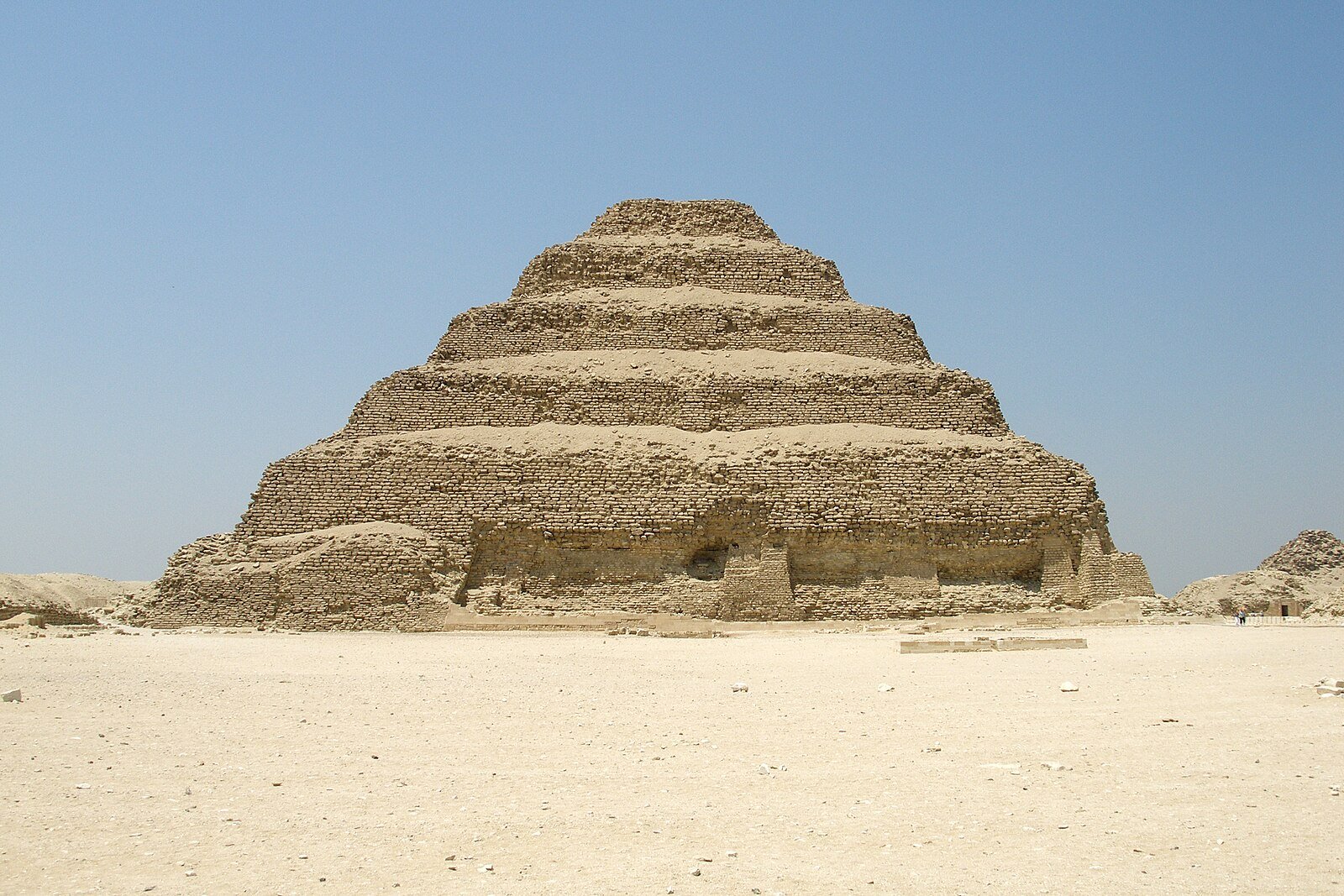
Saqqara and old Cairo
On our last morning we drove south to Saqqara, home to the Step Pyramid of Djoser, the oldest of the great stone monuments, and to tombs whose painted reliefs of daily life, of farmers, boats and festive meals, are as fresh as the day they were made. It is far less crowded than Giza, and many travelers tell us it is the highlight of their visit.
In the afternoon we moved to the Nile and explored Islamic Cairo, the city of a thousand minarets: the Citadel of Saladin, the Mosque of Muhammad Ali, and the lanes of Khan el-Khalili, where we drank mint tea at a café that has been open, in one form or another, for more than two centuries. Dinner was on a terrace above the river. To learn more of the story behind it all, read our history of Egypt.
US citizens need a visa for Egypt, available online as an eVisa or on arrival at Cairo airport; check the official rules before travel. Dress modestly for mosques, and carry a scarf if you are a woman. Alcohol is served in hotels and many restaurants. The Egyptian weekend falls on Friday and Saturday, and prices are in Egyptian pounds; hotels quote in US dollars. October to April is the ideal season, and the museum and plateau are busiest around Christmas and Easter, so book early. When you return for longer, extend south to Luxor and Aswan, or north to the new resorts of Egypt's Mediterranean coast, where investors are watching Egypt's North Coast Luxury Real Estate closely.
Ultra-Luxury Real Estate · Own Here
The places you discover as a guest are the places to own. Generally up to two homes for personal use, outside restricted areas.
Ultra-Luxury Tourism & Ultra-Luxury Real Estate
Checked on 10/17/2026. Prices and dates are approximate and can change. See our standard.