Iftar
The fast is broken with dates and water, often after the call to prayer, followed by a generous meal. Hotels across the region host lavish iftar buffets, and many mosques and charities offer free iftar to all comers.

Home›Culture›Ramadan Travel Guide
Culture
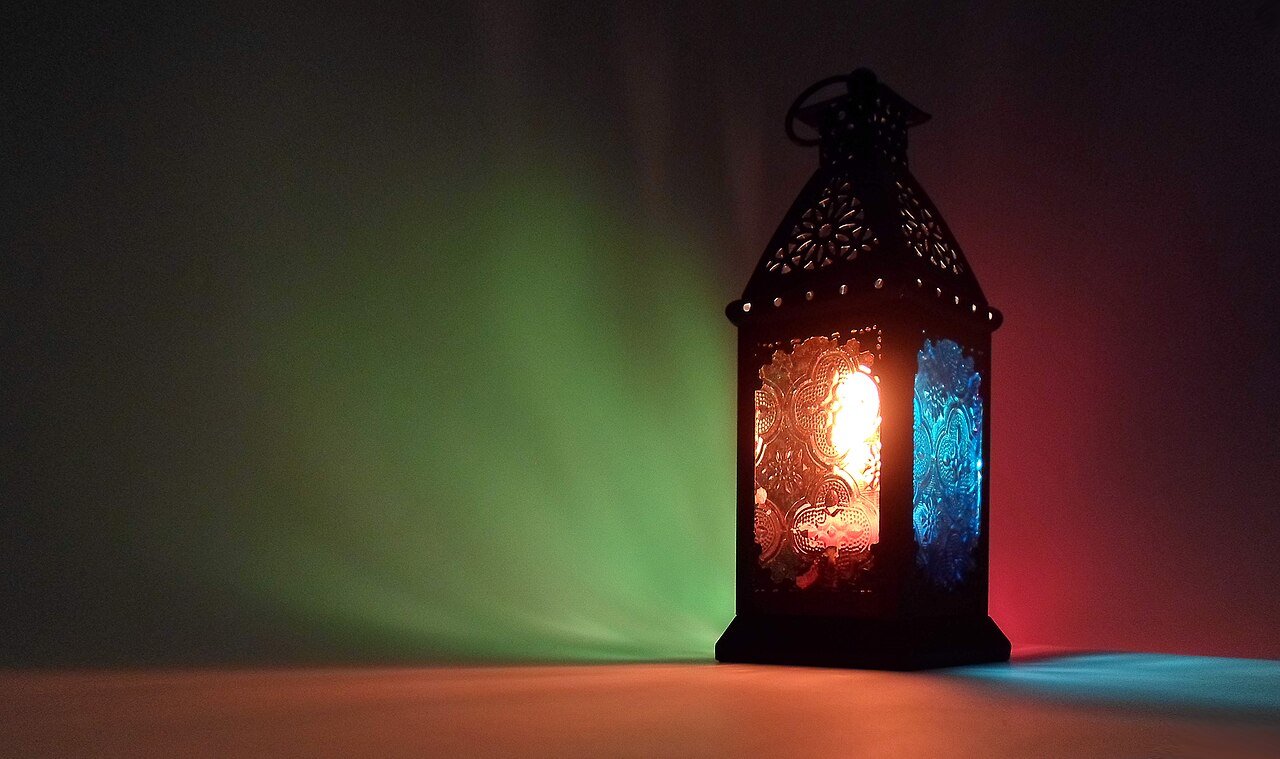
This Ramadan travel guide explains how to visit the Middle East during the holy month with grace. Days are quieter, evenings glow with lanterns and generous iftar feasts, and many travelers find it the most memorable time of year.
Updated
At a glance
Ramadan is the ninth month of the Islamic calendar, when Muslims fast from dawn to sunset as an act of devotion, reflection and charity. Because the Islamic calendar follows the moon, Ramadan moves about 10 to 12 days earlier each year. Our page on holidays and national days explains the wider calendar.
Ramadan 2027 is expected to begin on or about Monday, February 8, 2027, according to astronomical projections. The exact date is confirmed only when the new crescent moon is sighted, and the month lasts 29 or 30 days. Eid al-Fitr, the festival that ends the fast, is therefore expected around March 9 or 10, 2027. Treat all of these dates as expected and subject to moon sighting.
For travelers, early 2027 is a happy coincidence: the fast falls in the Gulf's mildest season, when days are warm and evenings are perfect for strolling. See when to go for the wider picture.
Projected dates; final dates are announced by each country after the moon is sighted.
| Year | Ramadan begins (expected) | Eid al-Fitr (expected) | Status |
|---|---|---|---|
| 2027 | About Monday, February 8 | About Tuesday, March 9 or Wednesday, March 10 | Expected, subject to moon sighting |
Daily life slows down by day and comes alive after sunset. Government offices and many businesses work shorter hours, and shops and malls often stay open late into the night. In the UAE, Qatar and Bahrain, most hotel and mall restaurants now serve daytime meals to non-fasting guests, often discreetly; in Saudi Arabia, daytime options are more limited, though hotels look after their guests.
Out of respect, avoid eating, drinking or smoking in public during fasting hours. Dress a little more modestly than usual, keep music low, and be patient with traffic just before sunset, when everyone is hurrying home. Our guide to customs and etiquette covers the basics, and women traveling solo will find the season especially welcoming.
Entertainment shifts gently too. Live music is usually quieter, and some nightlife pauses, while cultural programs, night markets and charity events flourish.
The fast is broken with dates and water, often after the call to prayer, followed by a generous meal. Hotels across the region host lavish iftar buffets, and many mosques and charities offer free iftar to all comers.
The pre-dawn meal is a social occasion of its own, with late-night menus of grills, mezze and sweets served until the early hours.
Grand air-conditioned tents with lanterns, carpets and majlis seating, where friends gather for iftar, suhoor, coffee and shisha. Booking ahead is wise for weekends.
Night markets, lantern displays and family events fill public squares, from Souq Waqif in Doha to the historic districts of Jeddah and Dubai.
Iftar cannons, the illuminated Sheikh Zayed Grand Mosque, elegant hotel tents and late-night souks make the UAE the easiest place for a first Ramadan. Start with our Dubai guide and Abu Dhabi guide.
In historic Al Balad, lantern-lit lanes, street food and family gatherings fill the nights. See Jeddah and Riyadh.
Souq Waqif and Katara come alive after iftar, and mid-Ramadan brings Garangao, a joyful night when children collect sweets. See our Doha guide.
Colorful fanous lanterns hang over the streets of Islamic Cairo, and long tables are set out for communal iftar. See Cairo.
Evening crowds gather around the Blue Mosque and Hagia Sophia as minarets are strung with illuminated messages. See Istanbul.
Harira soup and chebakia pastries break the fast, and the medina buzzes late into the night. See Marrakech.
When the new moon is sighted, Ramadan ends and Eid al-Fitr begins with morning prayers, new clothes, family visits and gifts for children. Cities celebrate with fireworks, concerts and festive offers, and public holidays usually run for several days. Hotels fill quickly with regional travelers, so book early if your trip overlaps Eid.
Muslim visitors planning a spiritual journey can read our guide to luxury Umrah; the last ten nights of Ramadan are the most sought-after time of the year in Makkah, which only Muslims may enter.
Yes, for travelers who enjoy culture. Hotels are often good value, sights are calmer by day, and evenings are festive and welcoming.
No. Visitors are simply asked not to eat, drink or smoke in public during the day. Hotels and many restaurants serve guests.
Absolutely. Hotel iftars are open to everyone, and being invited to a family iftar is a great honor. Bring dates or sweets as a gift.
Cover shoulders and knees in public places, and bring a scarf for women visiting mosques.
Ultra-Luxury Real Estate · Own Here
Across the Middle East, the finest resorts and the finest homes now sit side by side, and many international buyers own before they ever visit.
Ultra-Luxury Tourism & Ultra-Luxury Real Estate
Checked October 2026. Prices and dates are approximate and can change. See our standard.